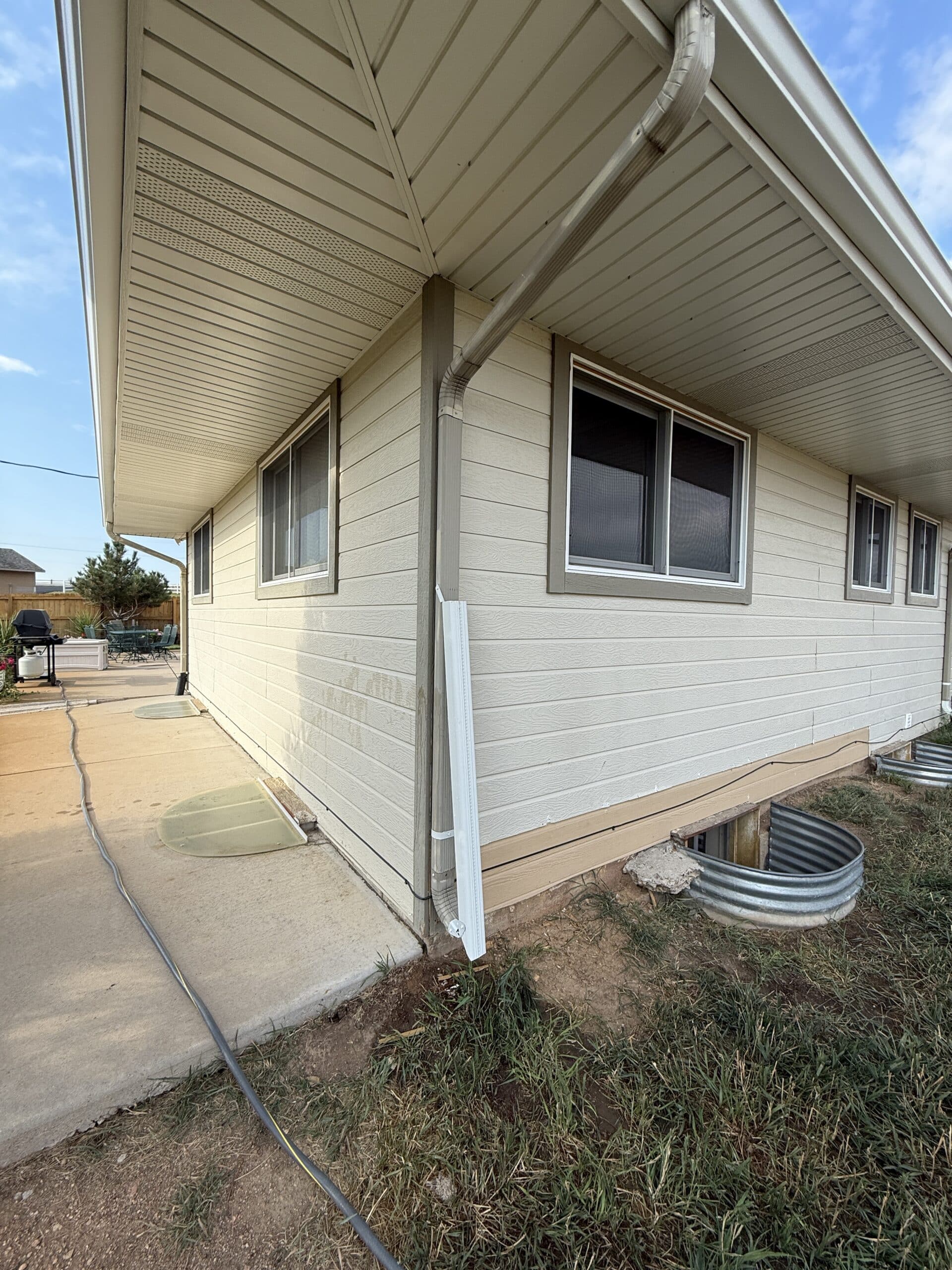
Sooner or later, nearly everyone here wonders how often to paint house exterior siding. Right behind it comes the question that really matters: How long does exterior paint last once it’s applied? A fresh coat on a Colorado home wears down faster than the same coat would in a milder state. A repaint is a real expense, so redoing it years too early quietly drains money you could put somewhere better. Here in the Castle Rock area, your siding is exposed to strong sun, frequent hail, and wide temperature swings. National averages skip right over those.
The honest answer depends less on the label on the can. It depends more on your siding, your prep, and the sky above the Front Range. Below, I lay out what actually drives paint lifespan in this climate. You will get the numbers to plan around and the moves that add years to a finish. It is the same approach my team brings to every exterior house painting project in Castle Rock, CO.
How Many Years Does Exterior Paint Last on a Colorado Home?
Painting pros across the country tend to land on a similar range. On most homes, a quality exterior coat lasts 7 to 10 years before it needs redoing. So how long does exterior paint last on a home along the Front Range? Usually on the shorter end. The material underneath and the sky above both push the clock faster.
| Siding material | Typical lifespan | What to watch in Colorado |
|---|---|---|
| Wood | 5 to 7 years | Fades and cracks first on sunny walls |
| Stucco and fiber cement | 8 to 12 years | Holds color well when sealed and maintained |
| Painted brick | 15 to 20 years | Longest life, but only if the first job was prepped right |
Those are national averages, and Colorado is not average. Walls that face south or west catch the most sun and usually fade first. A friend in a mildly cloudy state might brag about paint that lasted for 12 years. That is a poor yardstick for what happens here. That is exactly the kind of judgment my team brings to exterior house painting in Castle Rock, CO. We will walk your siding and provide a written price quote before you commit to anything.
Why Colorado Weather Ages Paint Faster
Three forces do most of the damage to paint in this part of the state. None of them is gentle, and all three hit harder here than the national averages assume.
The Factor That Outweighs the Paint Brand
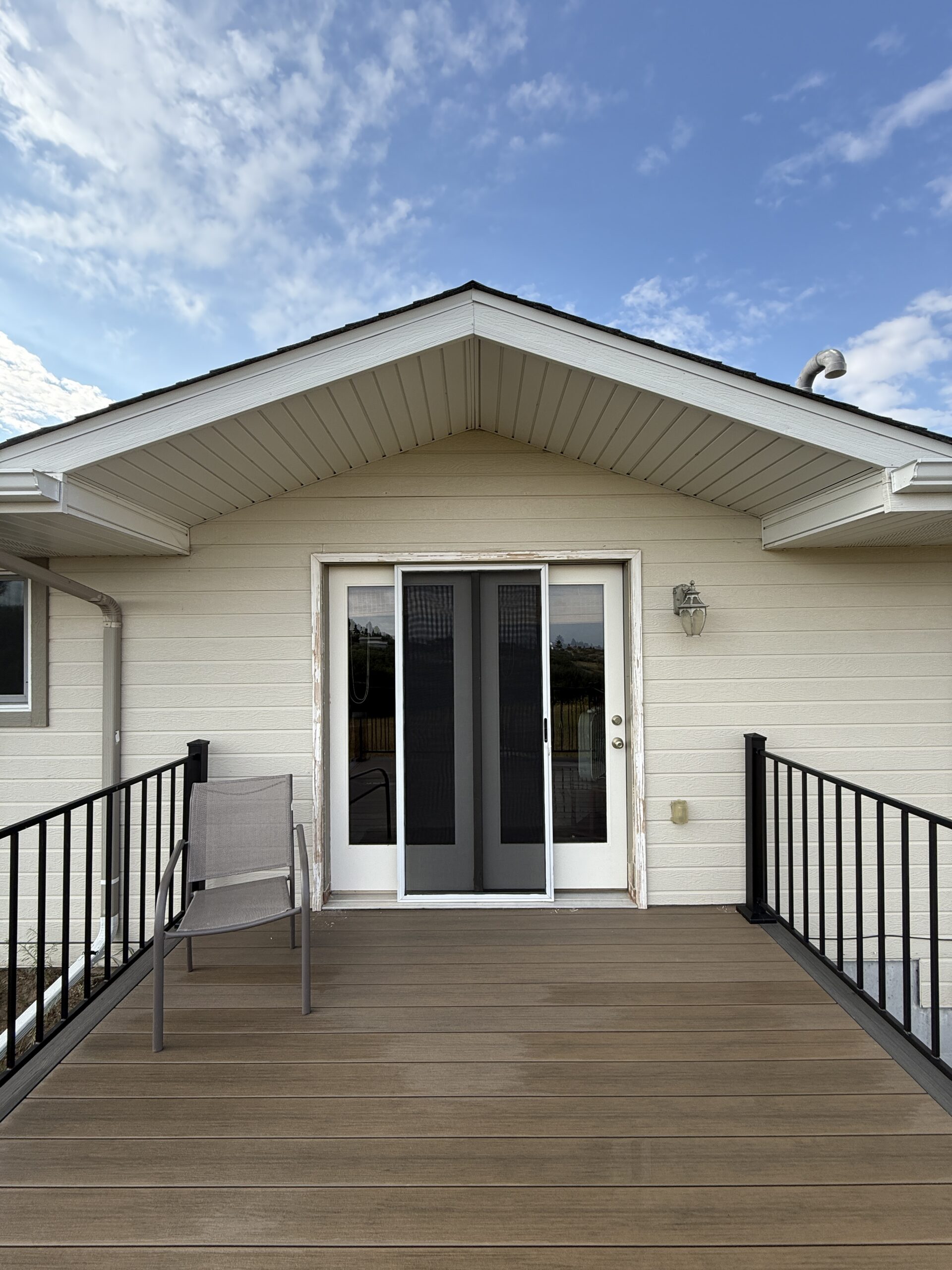
Here is the part most homeowners never hear. The surface under the paint decides how long a coat lasts. That matters more than the brand, the color, or the price per gallon. A premium coat brushed over a dirty or peeling wall still fails early. Painting pros report that skipping prep can cut a job’s lifespan roughly in half. Many rushed do-it-yourself jobs give out in just three to five years.
Before I started Barco's Painting of Colorado, I spent 15 years at Sherwin-Williams. I watched which finishes held and which ones peeled within a couple of seasons. The ones that lasted almost always shared a single trait, which was careful prep. That is why my team preps hard before a brush ever touches your home. We power wash, scrape, sand, caulk gaps, repair bad siding, and prime bare spots. Good prep is slower and less glamorous than picking colors. It is also the biggest reason a coat reaches the far end of its lifespan instead of the near one.
How to Make Your Exterior Paint Last Longer
You have more control over paint life than it might seem. A few steps stack the odds in your favor, whether you hire the work out or handle the upkeep yourself.
- 1Start with an honest look at your current paint. Fading, a chalky film, hairline cracks, peeling edges, and gaps in the caulk all signal that the clock is running down. Catching small issues early keeps them from spreading.
- 2Fix the surface before you paint it. Repair rotten boards, reseal gaps, and clean off dirt and chalk. Paint is a topcoat, not a patch.
- 3Use products built for this climate. A quality 100 percent acrylic exterior paint flexes with temperature swings and resists UV far better than a bargain can. My crews use Sherwin-Williams and Benjamin Moore lines chosen for how they hold up along the Front Range.
- 4Paint in the right season. In this area, exterior work goes best from mid-March through October. Colorado winters bring cold and moisture that prevent paint from bonding and curing properly.
- 5Keep up with light maintenance. A gentle wash once a year clears dirt and mildew. Quick touch-ups on chips or caulk stop water from working its way in. Small habits buy real years.
What Peeling Paint Really Costs
It is tempting to stretch a paint job an extra season or two, and sometimes that is fine. The real risk shows up after paint fails. Bare wood swells, rots, and invites pests. Trim and siding repairs run far higher than a coat of paint ever would. Waiting too long can turn a simple repaint into a rebuild.
| Repaint on schedule | Wait too long |
|---|---|
| Paint keeps sealing out water and sun | Bare wood swells, rots, and draws pests |
| Curb appeal and resale value hold | The finish chalks, cracks, and peels |
| One planned, predictable expense | Board and trim repairs cost far more than paint |
Repainting on time is not only about curb appeal. It is how the paint keeps doing its real job: shielding the house underneath. Done on the right schedule, a good exterior coat keeps your home looking sharp and holds its value. It protects the structure for the full seven to twelve years you paid for.