Finding the best paint for kitchen cabinets is only half the job, because even a great enamel can fail on a poorly prepared door. I will compare your options with real numbers, and I will show you where prep matters more than the paint. If you are asking what type of paint is best for kitchen cabinets, the answer depends on your cabinet material, your current finish, and how long your kitchen can wait while the paint cures. A cabinet finish is a system, and paint is only one part of it. I also explain how I approach cabinet painting in Lone Tree, CO.
What Type of Paint Is Best for Kitchen Cabinets? Start With Three Questions
Cabinet doors take more daily contact than most painted surfaces. Hands, steam, grease, and cleaning sprays reach the same spots again and again. So I ask three questions before I name any product.
I use those answers to pick the product. The paint should match the cabinet material and the finish condition, not a favorite brand.
Cabinet Paint Types Compared Side by Side
Here is how the main options stack up. I only use details the paint makers publish.
| Paint type | Example Product | Cleanup | Published Details |
|---|---|---|---|
| Traditional oil-based enamel | Various alkyd oil enamels | Mineral spirits | Sherwin-Williams says its waterborne urethane enamel resists yellowing compared to traditional oil paints. |
| Waterborne alkyd | Benjamin Moore Advance | Soap and water | Labeled for cabinets. VOC under 50 g/L. Dry 4 to 6 hours, recoat 16 hours, full cure 7 days. |
| Waterborne urethane-modified alkyd | Sherwin-Williams Emerald Urethane Trim Enamel | Soap and water | Labeled for doors, trim, and cabinets. VOC under 50 g/L. |
| Waterborne acrylic-alkyd hybrid | Sherwin-Williams ProClassic Acrylic-Alkyd | Soap and water | Sherwin-Williams lists it as non-yellowing compared to other conventional alkyds. VOC under 50 g/L. |
| Waterborne acrylic | Sherwin-Williams ProClassic Acrylic Enamel | Soap and water | Sherwin-Williams calls it a good choice for cabinetry in a low-traffic area. |
| Standard wall paint | Wall paint lines | Soap and water | Labeled for walls and ceilings. Check the label before using it on cabinets. |
I judge each option on three things. If a paint fails the first one, I stop there.
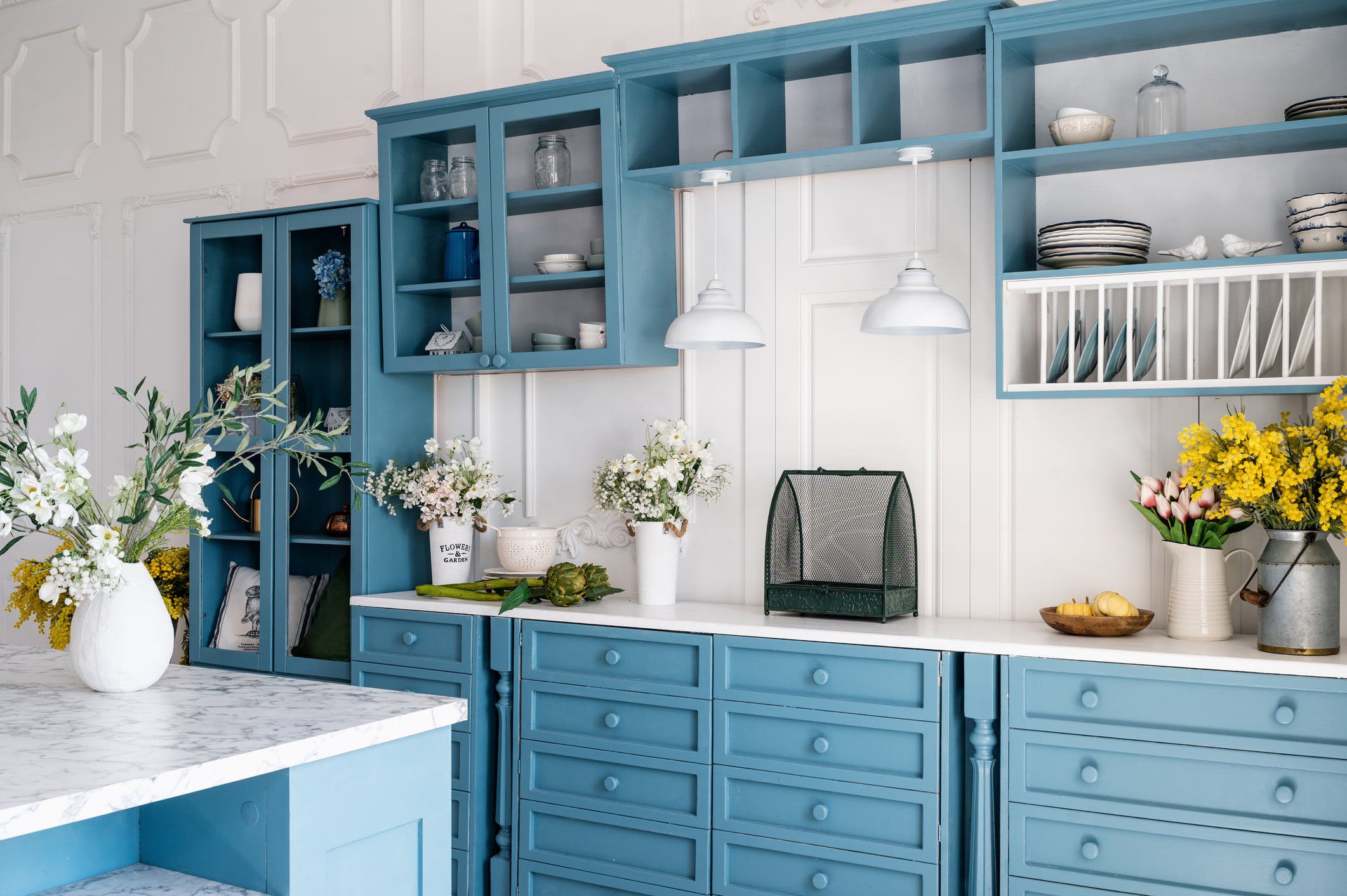
Waterborne Alkyd vs. Urethane Enamel on Cabinets
Advance and Emerald Urethane Trim Enamel are both waterborne alkyd formulas. Both makers say these paints aim for the smooth finish of a traditional oil or alkyd enamel, with soap and water cleanup.
Benjamin Moore publishes clear timing for Advance:
That 7 day window is the number I want you to remember. Doors can feel dry long before they reach full hardness. Go easy on the kitchen for that first week.
Sherwin-Williams ranks its own options too. It points to Emerald Urethane for kitchens that are cleaned often, and it calls its waterborne acrylic a good choice for low traffic cabinetry.
My team uses only Sherwin-Williams and Benjamin Moore for cabinets, so I cannot compare other brands for you. Within those two lines, I choose the cabinet formula that fits your material and finish.
You may notice I did not crown a winner. That is on purpose. There is no single best paint for kitchen cabinets in every home. Both makers publish waterborne enamels labeled for cabinets, with VOC under 50 grams per liter. Your cabinet material and current finish settle the choice, not a spec sheet.
How Colorado Rules Shape What You Read on the Label
The EPA architectural coatings rule limits the volatile organic compounds, or VOCs, that a paint can contain. Colorado adopted its own lower limits statewide in 2020. VOCs are the gases that escape as paint dries.
That is why I tell homeowners to look for the VOC number on the can. Advance, Emerald Urethane, and ProClassic Acrylic-Alkyd all list under 50 grams per liter.
Prep Matters More Than the Paint Can
Here is where I push back on most paint comparisons. A great enamel can still fail on a poorly prepared door. Cabinets rank among the most demanding surfaces in any interior painting project, because they face hands, cleaners, moisture, and heat every day.
For cabinet painting in Lone Tree, CO, our process starts with cleaning. Grease, oils, and residue block adhesion, so we remove them first. Then we sand doors and drawer fronts, repair any damage or peeling, and apply primer before the finish coat. This takes longer than a standard wall painting project, and the finish depends on that time.
My 3 Step Plan for Painting Your Kitchen Cabinets
Here is how a project works with Barco’s Painting of Colorado. You always know the price before work begins.
Your quote depends on three things: the number of doors and drawer fronts, the condition of your current finish, and the prep your cabinets need. That is why we do every estimate on site.
We serve homeowners across the Southern Denver Metro, including Lone Tree, CO, Highlands Ranch, CO, Castle Rock, CO, Castle Pines, CO, and Parker, CO.
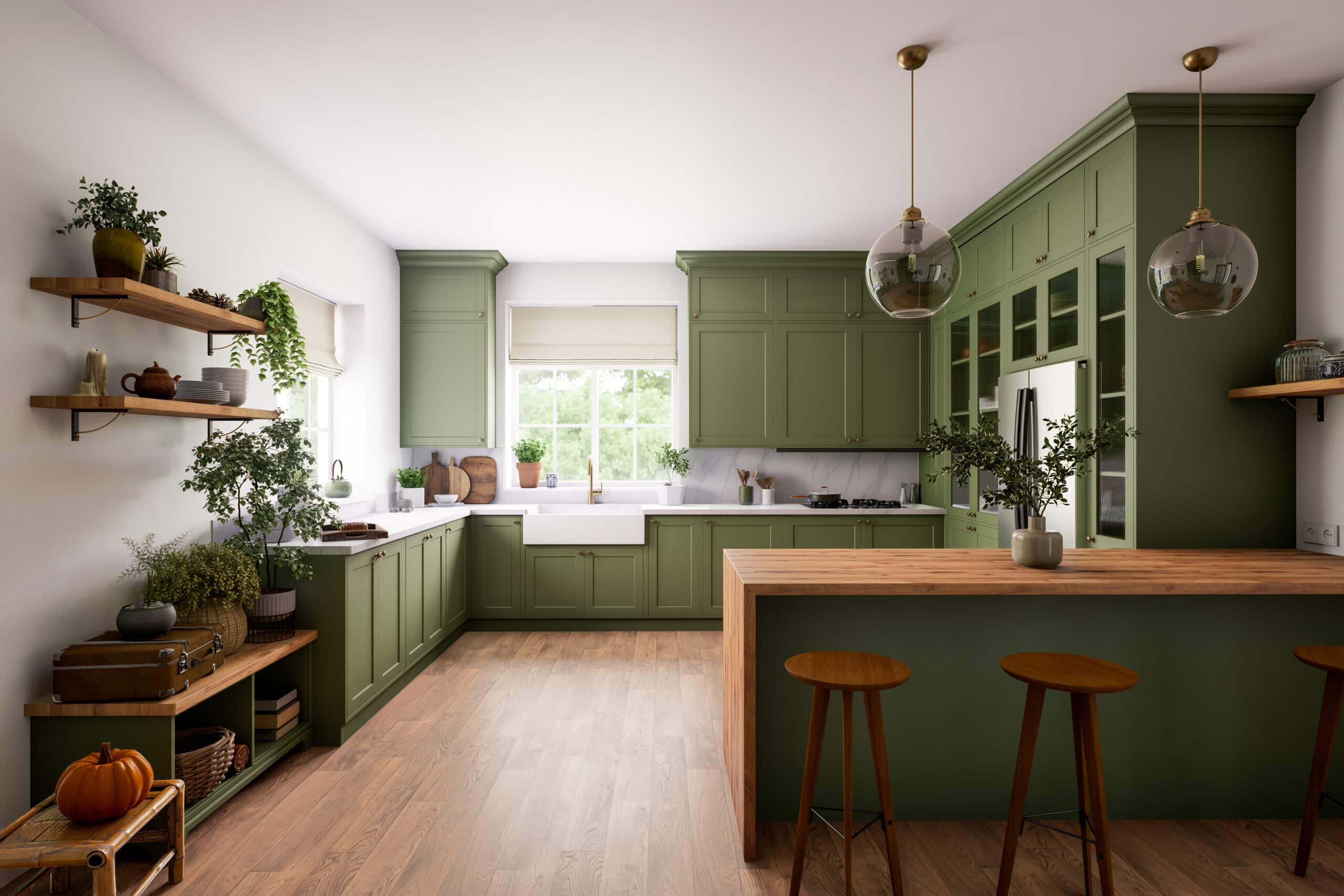
Common Reasons a Cabinet Finish Fails
Finishes can fail for reasons that have nothing to do with brand. These reasons all trace back to a skipped step.
What You Can Verify Before You Hire Us
I would rather you check the facts than take my word. Here is what you can verify.